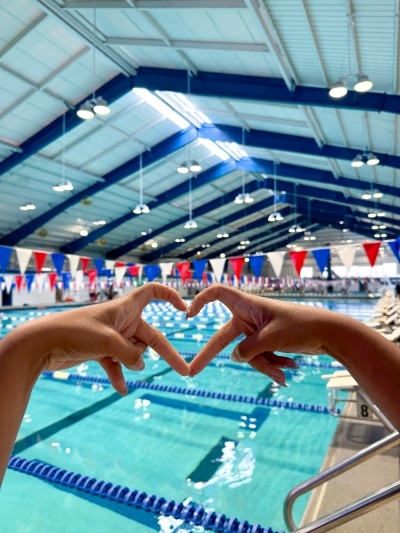
Love Your Heart: The Heart-Healthy Benefits of Swimming
By Kate CohenFebruary 3, 2026
Valentine’s Day isn’t the only day in February to think about hearts.
In fact, all 28 (sometimes 29) days have been dedicated to American Heart Month, an observance that promotes the importance of keeping your heart healthy and strong.

The core of your cardiovascular system, the heart is an incredibly powerful organ responsible for pumping blood throughout the body. Each rhythmic pump sends blood coursing through blood vessels, delivering oxygen and nutrients to the body’s cells and removing waste like carbon dioxide.
Without this critical exchange, cells would quickly begin to die, and organs would begin to shut down.
Having a strong, healthy heart is incredibly important. Without proper blood flow, your body literally cannot function.
The good news is that there are plenty of things you can do to ensure your heart is healthy and strong. Getting a good night’s sleep, eating a balanced diet, and avoiding tobacco are all great ways to keep your heart in good shape.
One of the best ways you can contribute to excellent heart health is, of course, exercise (particularly cardiovascular exercise).
Swimming is a wonderful example of a great cardio workout that’s good for both the body and mind, and it’s accessible to people of all ages and abilities.
Let’s take a look at the heart-healthy benefits of swimming.
Key Takeaways
- Swimming is a Superior Cardio Workout
- How Swimming Supports a Stronger Heart
- Swimming is for All Ages and Fitness Levels
- Prioritizing Mental Health Supports Heart Health
- Swim Your Way to a Healthier Heart at RAFC
Swimming is a Superior Cardio Workout

Cardio, or aerobic exercise, is any physical activity that raises your heart rate for a sustained period. Usually, it involves using your muscles in a repeated, rhythmic movement (running, cycling, etc.).
During cardio, your body uses oxygen to produce energy. As you’re using your muscles to move, your heart works harder to supply them with the amount of oxygen they need, pumping faster and increasing your heart rate.
Over time, cardio helps your body, including your heart and lungs, build endurance, reducing the risk of chronic diseases that can occur with a weak cardiovascular system.
Swimming is a form of cardio, with its repetitive movements helping to raise heart rate.
What sets it apart from other forms of cardio is the fact that it’s in water, which reduces strain on joints.
While other aerobic exercises often include a repetitive motion against a hard surface like a floor or pavement, swimming is low impact. Its smooth, controlled movements meet only the resistance of the water, which offers a heart-strengthening intensity without wearing on joints.
This also makes swimming a great cardio option for anyone with joint issues or who may be recovering from an injury.
How Swimming Supports a Stronger Heart
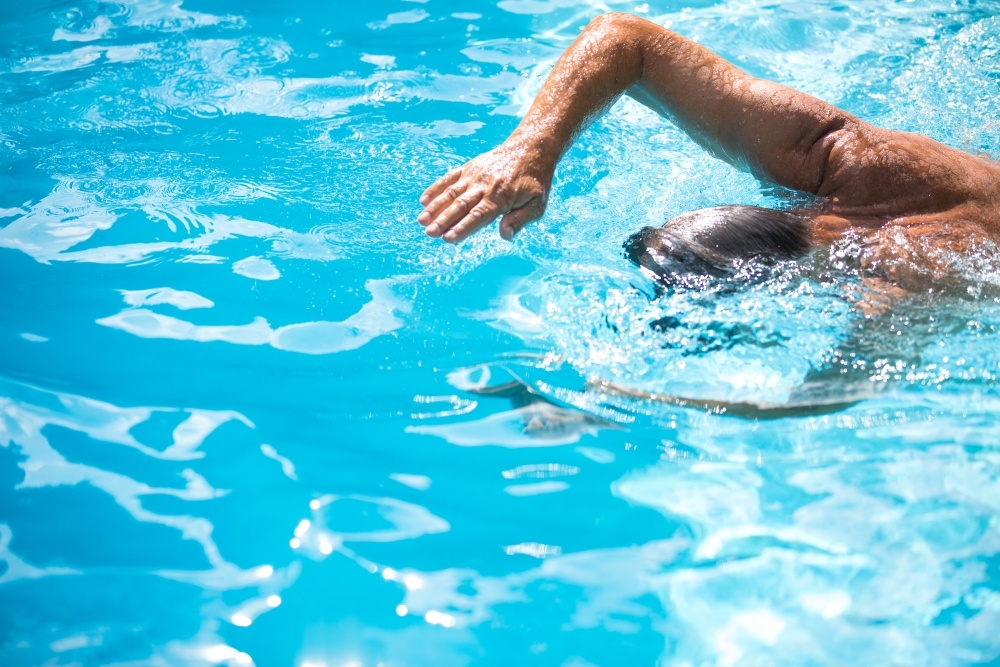
In addition to its aerobic nature, swimming offers a variety of heart-healthy benefits.
When the heart is pumping efficiently, like during cardio workouts, it can also lower your blood pressure.
Maintaining normal-range blood pressure can reduce the risk of serious health problems like heart attack, stroke, and kidney disease. Swimming is one way to help manage these numbers.
Swimming can burn between 300 and 600 calories an hour, depending on your weight, stroke, and intensity. Those burned calories can lead to fat loss, which ultimately alleviates physical stress put on your heart and reducing the risk of heart disease.
As you incorporate swimming regularly into your fitness routine, you may also notice you have more endurance, a reduced resting heart rate, and better circulation – much of which you can credit to your aquatic workouts.
Swimming is for All Ages and Fitness Levels
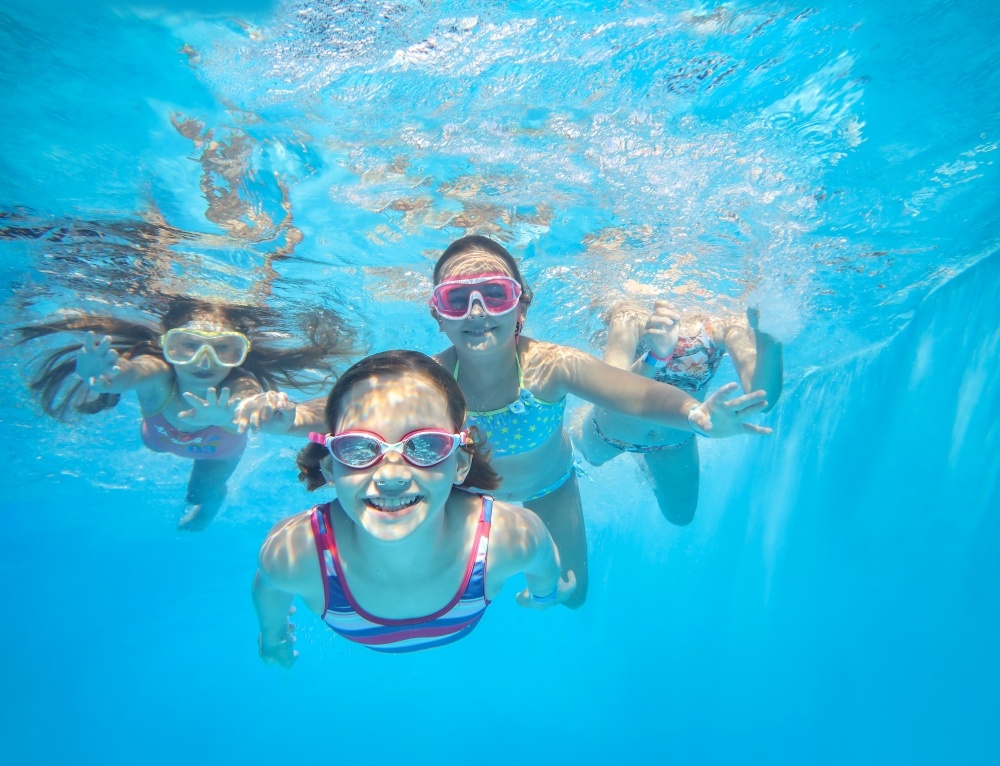
Swimming is a great physical activity for people of all ages and fitness levels.
Its low-impact cardiovascular nature is beneficial for kids as well as older adults and everyone in between.
When kids swim, they often have so much fun that they don’t even realize they’re exercising. At the same time, they’re also establishing lifelong healthy habits, helping them associate joy with staying active.
Of course, swimming is also a critical life skill, and the proper instruction and safety skills are critical for keeping kids (and grown-ups) safe in and around water.
For more information on the free swim lessons offered at RAFC, check out our website.
Swimming is also a wonderful exercise for seniors, people with arthritis or joint pain, and anyone with mobility challenges.
The buoyancy of water counteracts gravity, easing stress on knees, hips, ankles, and the spine. It also allows for a greater range of motion, since your body is supported by the resistance of the water.
When exercise feels enjoyable and gentle, it’s much easier to stay consistent with your fitness routine, ultimately leading to healthier habits and a stronger heart.
Prioritizing Mental Health Supports Heart Health

Mental health isn’t just about keeping your mind and spirit healthy; it also has a direct effect on your heart health, too.
Chronic stress can contribute to long-term health issues including high blood pressure and inflammation, which contributes to the build-up of plaque in your arteries.
It can also cause us to turn to unhealthy coping mechanisms, including overeating, smoking, or inactivity.
Plus, getting a good night’s sleep is critical to keeping our heart healthy, and we all know that stress can keep us lying awake at night.
Luckily, swimming is an excellent way of alleviating stress.
Being in water relaxes muscles and reduces tension, automatically releasing the body’s “fight-or-flight” signals that can contribute to high stress levels.
The rhythmic movements and breathing of swimming mimic the repetitive calm of meditation, naturally soothing the mind and lowering cortisol (the stress hormone).
Additionally, water creates a sensory reset for the body by muting noise, making the body feel lighter and movement feel smoother and far less jarring.
Like any exercise, swimming also releases endorphins, which are the body’s natural mood enhancers and stress relievers.
All in all, swimming is a wonderful way to reduce stress, and when your brain is less stressed, your heart is, too.
Swim Your Way to a Healthier Heart at Rosen Aquatic & Fitness Center

If you’re looking for the perfect place to swim year-round in Orlando, Rosen Aquatic & Fitness Center is the perfect choice.
Our facility is home to a variety of indoor pools ideal for swimming laps, taking an aquatic fitness class, or even training for a competitive event.
The Competition pool is divided into 17 lanes and kept at an ideal temperature of 79.6 degrees. It’s hosted record-shattering Olympians like Michael Phelps and Katie Ledecky and yet is still the perfect environment for beginning swimmers in our community looking to get in a good workout.
The Teaching Pool is 4 feet deep and heated, perfect for swimmers of all ages who are taking lessons or participating in an aquatic fitness class.
The Endless Pool is a unique feature that simulates ongoing lap swimming in an 8-foot by 14-foot swim area with a motorized current. It’s perfect for training triathletes as well as physical therapy for those recovering from injuries.
While our pools are amazing resources for contributing to a healthy lifestyle, it’s our incredible staff and associates who set RAFC apart from other fitness centers. Come by anytime and introduce yourself; we’ll be waiting to welcome you into the water.
Go for a swim. Your heart will thank you.