
Important Water Safety Tips to Keep Your Kids Safe Year-Round
By Kate CohenBy Kate Cohen
May 4, 2026
May is Water Safety Month, and with summer quickly approaching, there’s never been a better time to learn how to keep your kids safe in the water.
The state of Florida is a wonderful place for aquatic recreation like swimming, boating, and sunny beach days.
But spending time in and around the water requires caution, confidence, and care.
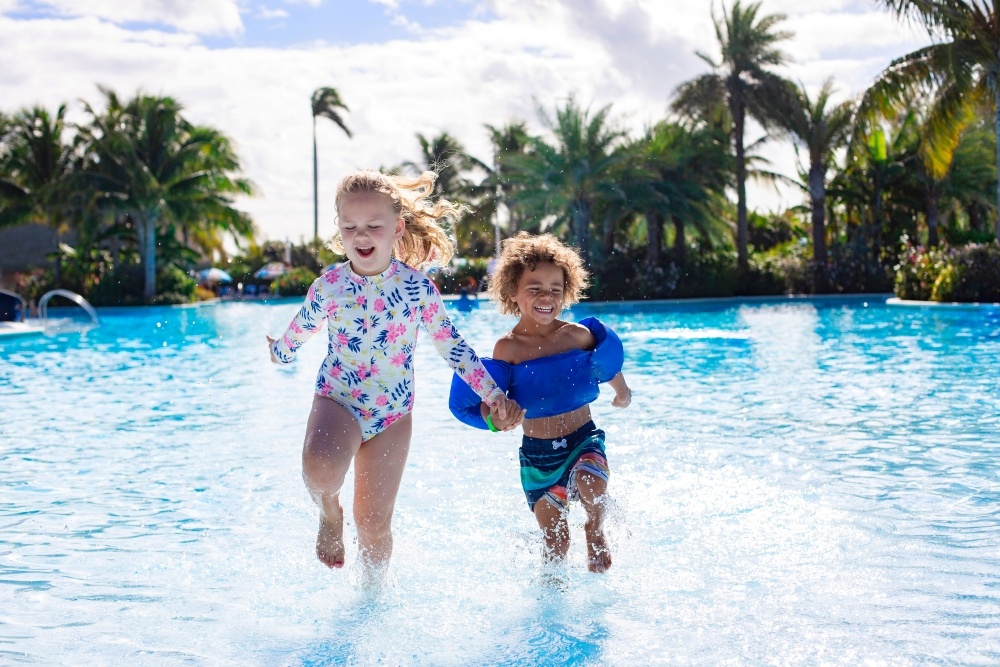
At Rosen Aquatic & Fitness Center, we know the true value of water safety. We’re dedicated to serving our Central Florida community with swim lessons and education for swimmers of all ages.
Additionally, we’ve compiled some of our best water safety tips to share with you for Water Safety Month.
Here are a few things to keep in mind before your next day by the pool.
Key Takeaways
ABCs of Water Safety
The ABCs of Water Safety are some of the most important things to remember when spending time with children around water.
They stand for:
- Active adult supervision
- Barriers
- Classes
Let’s break down each of these in a little more detail.
Active Adult Supervision
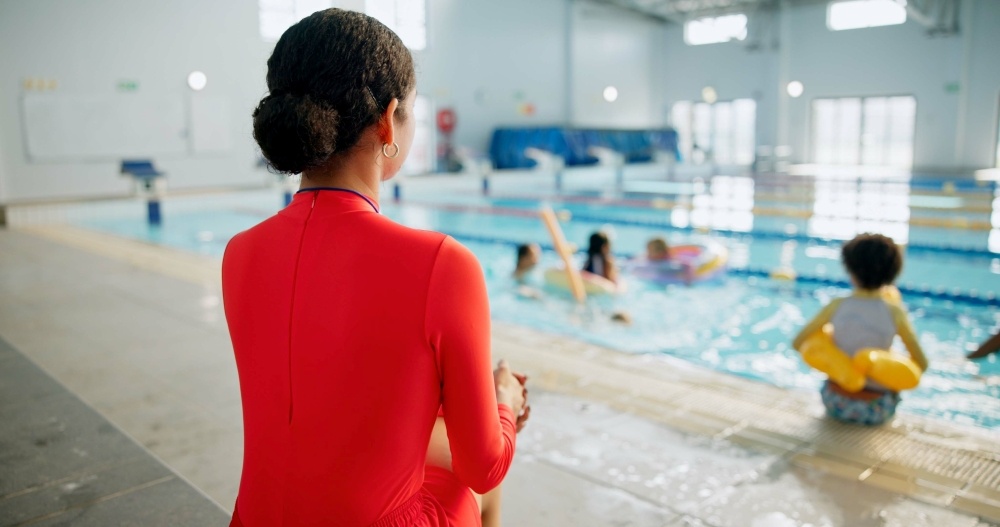
Adult supervision is critical around any kind of water: pools, beaches, and even the bathtub.
But it isn’t enough to have an adult nearby if they’re focused on their phone or distracted by conversation.
Grownups should be actively watching kids in and around water at all times.
The grim reality is that little ones can drown in even a few inches of water, and it only takes a moment without supervision for a tragedy to occur.
The risk is never worth it.
Put your phone away and be present when there are children in or near water. Your vigilance could be lifesaving.
Barriers
Florida is a great place to own a pool.
In fact, the Sunshine State is home to almost 1.6 million residential pools, more than any other state in the country.
However, having a pool in your backyard drastically increases the risk of accidental drowning.
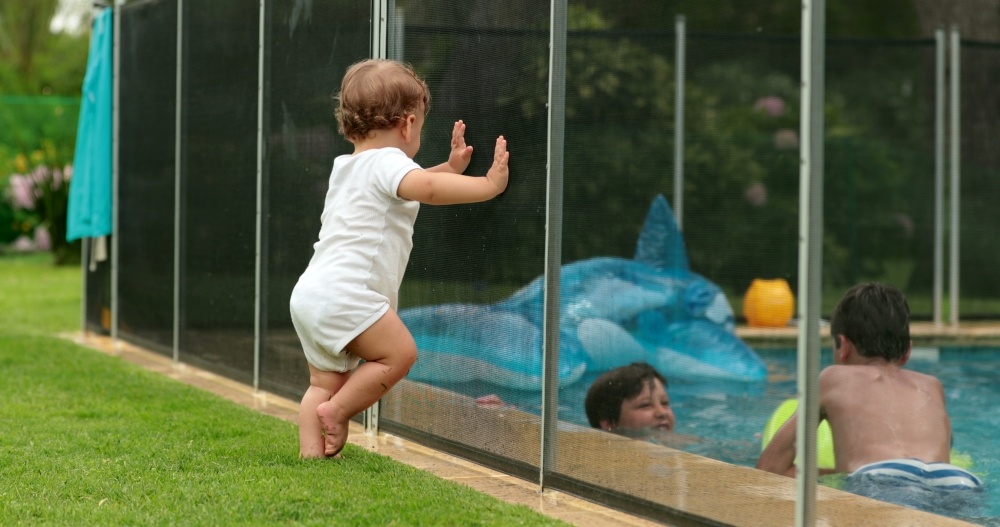
If you’re a homeowner with a pool, it’s essential to install safety barriers like four-sided pool fencing.
A proper pool fence will include features like self-closing hinges for automatic closure and rust-resistant components that can endure humid weather and intense storms.
While you shouldn’t let your guard down at any time when kids are around water, a solid barrier serves an important purpose and can provide a bit of peace of mind.
Classes
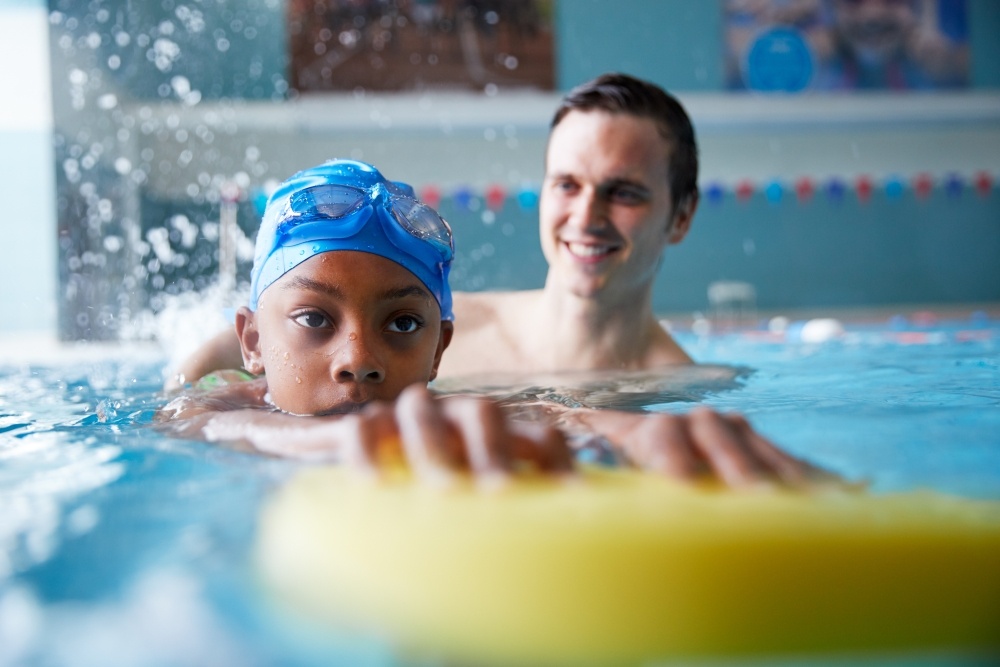
One of the best gifts you can give a child is the ability to learn to swim.
In swim classes, students as young as six months old can learn lifesaving safety skills like breath control, back floating, and kicking.
Consistent lessons help kids build confidence in and around the water.
It also teaches them that swimming is fun and a great way to stay active.
Give your little ones the power to protect themselves in and around water.
RAFC offers a variety of swim lessons for kids (and grownups) of all ages.
Through a grant funded by Step Into Swim, RAFC offers free swim lessons to all beginner swimmers.
Now, regardless of cost, you can ensure your little ones have critical water safety skills to keep them safe in and around the water.
Wear Bright Colors
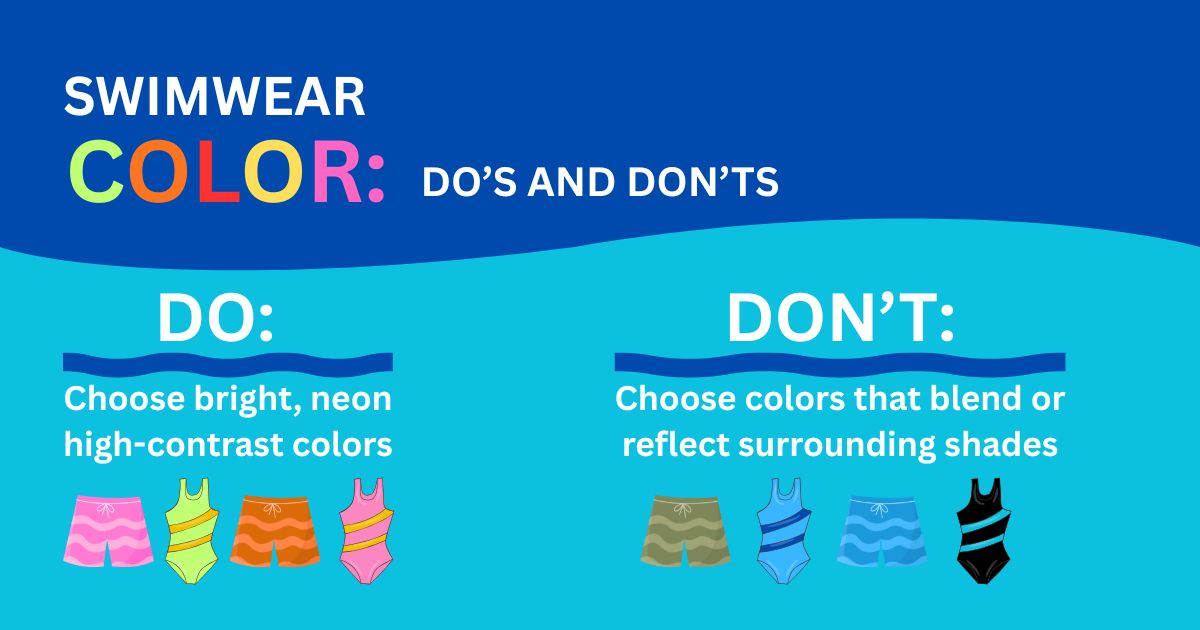
When it comes to swim fashion, not all bathing suits are created equally.
Certain color fabrics like blues, greens, whites, and other neutrals can actually blend into the water, making it harder to see if a child falls into the water.
Instead, choose bright neon colors with high contrast that can easily be seen underwater.
Wearing these bold hues can help lifeguards and other supervising adults keep an eye on kids in and around the pool or at the beach.
Wear a Coast Guard-Approved Flotation Device
Boating is another wonderful way to enjoy spending time on the water.
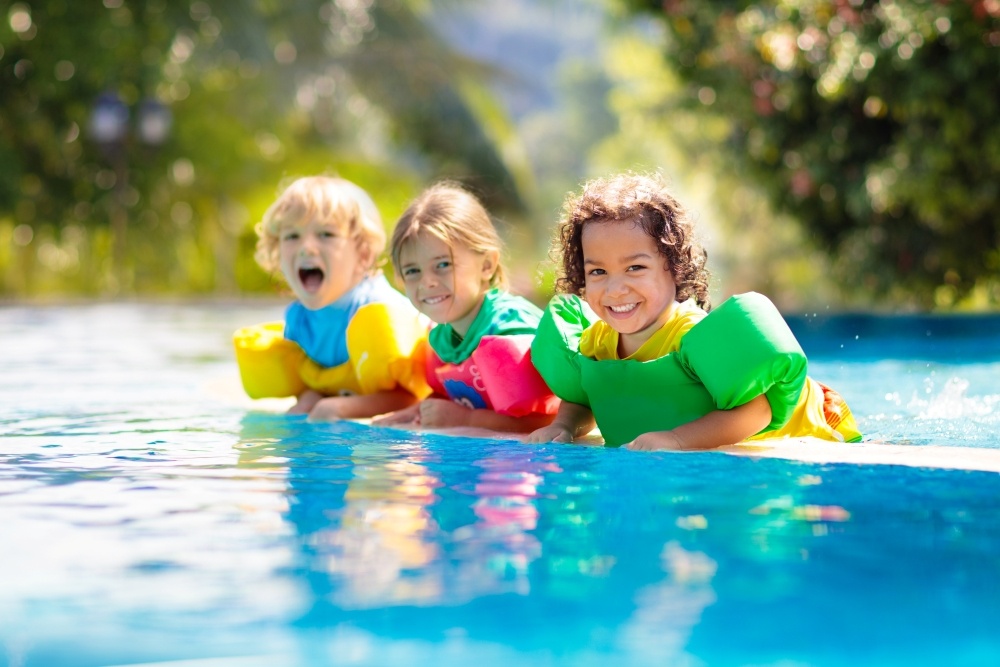
The best way to practice water safety when boating is to wear a United States Coast Guard (USGA)-approved floatation device like a lifejacket.
In fact, federal law requires children under the age of 13 to wear a USGA-approved flotation device whenever they are on a vessel that is in motion.
While we often associate flotation devices with boats, they can also be potentially lifesaving around the pool or for a day spent at the beach.
For example, swim vests with arm floaties can be a great support for kids who may not yet be strong swimmers (in addition to the ABCs of water safety, of course).
Just be sure that whichever flotation device you choose is USGA-approved for the highest safety standards.
Be Mindful of Rip Currents
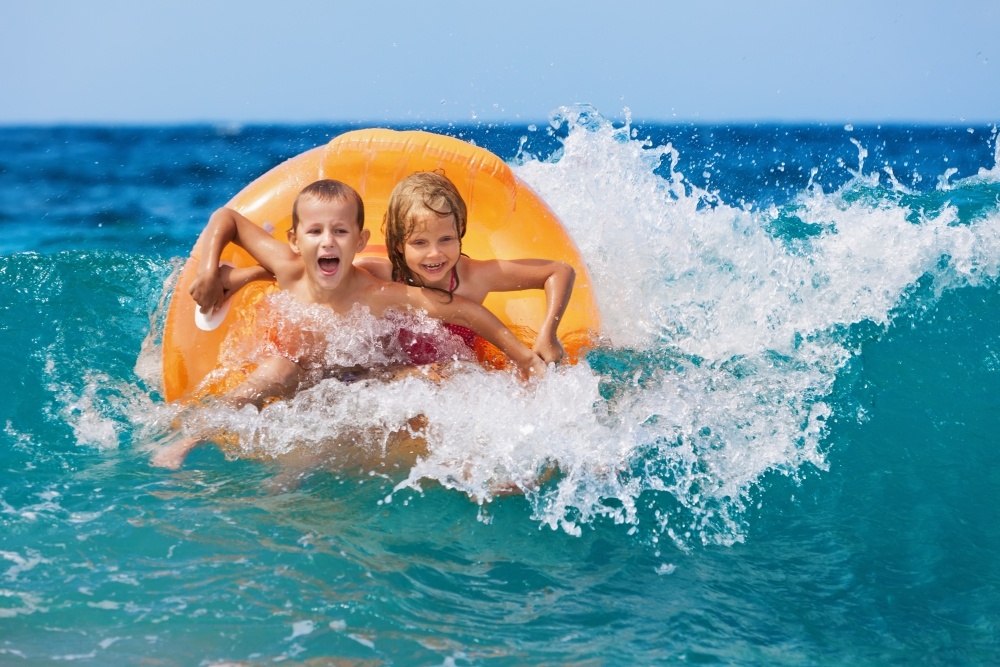
There’s nothing better than a Florida beach day.
The ocean, however, brings its own unique set of safety hazards.
One of the biggest dangers about swimming in the ocean is rip currents, or powerful water currents moving away from the shore.
While they don’t pull you under the water, they can pull even the strongest swimmer out into the ocean.
The biggest way to stay safe swimming in the ocean is to swim where a lifeguard is present.
If you do happen to get caught in a rip current, don’t try to swim against the current. Instead, float or tread water and call for help.
Put Water Safety Tips Into Practice at Rosen Aquatic & Fitness Center
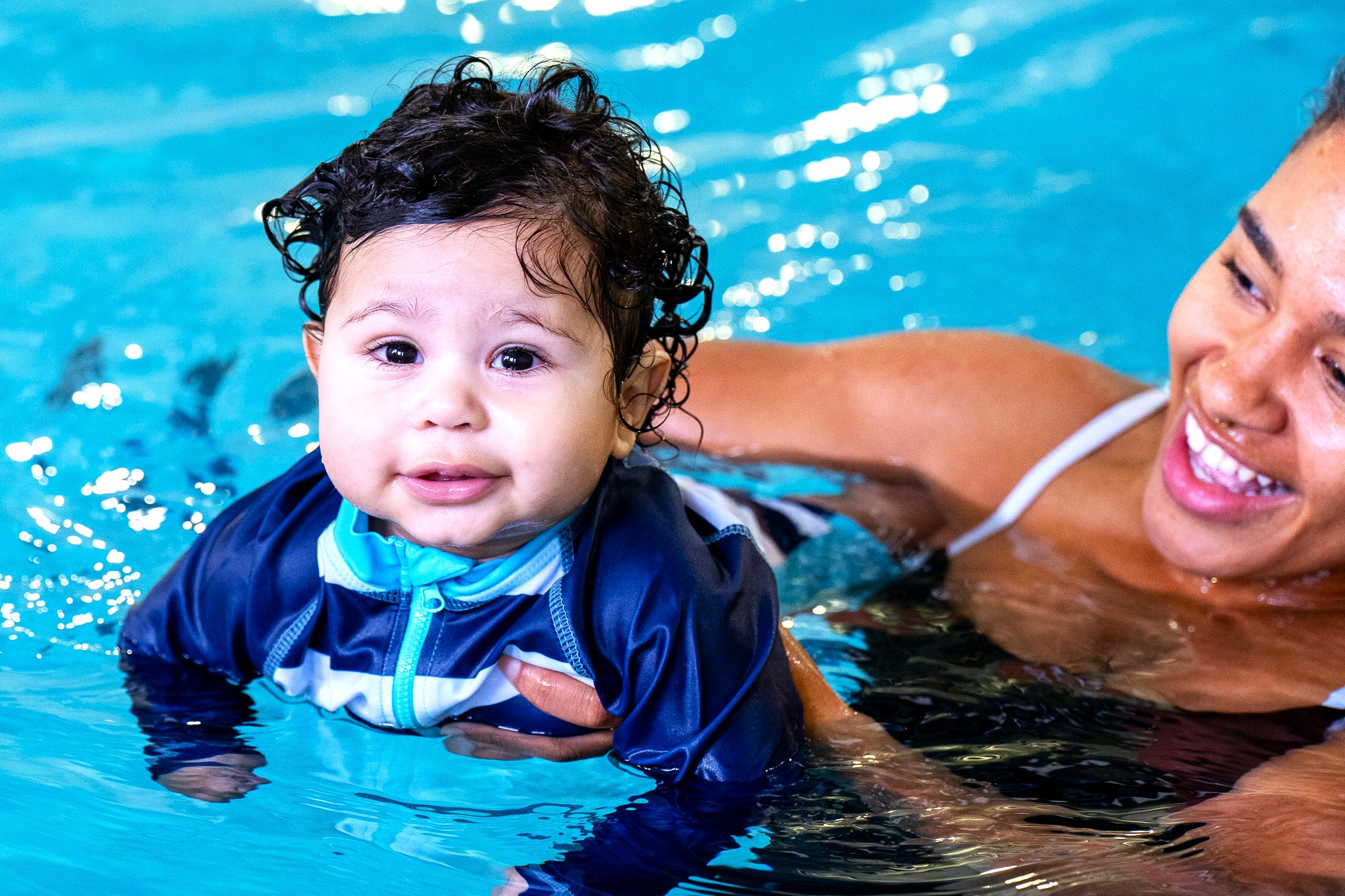
At RAFC, water safety is at the heart of everything we do.
Let us help you keep your kids safe in and around water by enrolling them in one of our swim classes.
Our Learning Pool is the perfect environment for learning important safety skills. Grownups can watch classes from the adjacent observation room, keeping an eye on little ones as they learn and grow.
Swim lessons aren’t just for kids, either. If you’re looking to sharpen your swim skills as an adult, reach out to learn more about our adult swim lessons.
We can’t wait to see you in our pool soon!