
A Beginner’s Guide to Starting a Fitness Routine
By Kate CohenBy Kate Cohen
November 12, 2026
Starting a new fitness routine can feel overwhelming, but there’s good news.
You don’t need intense workouts or hours in the gym to see the benefits of physical exercise. Consistency matters far more than perfection.
At Rosen Aquatic & Fitness Center (RAFC), you’ll find everything you need to help you succeed. Our state-of-the-art fitness equipment, engaging classes, and supportive team members are resources for individuals at every fitness level.
Ready to get started?
Here are our suggestions for how to start a fitness routine.
Key Takeaways
- Why Starting a Fitness Routine Matters
- Set Realistic Fitness Goals
- Choose Activities You Enjoy
- Create a Beginner-Friendly Weekly Workout Schedule
- Learn the Basics of Strength Training
- Don’t Forget Recovery
- How to Stay Motivated When Starting a Fitness Routine
- Help Achieve Your Goals as a Member of Rosen Aquatic & Fitness Center
Why Starting a Fitness Routine Matters

It’s no surprise that physical activity is critical to maintaining a healthy lifestyle.
While exercise can contribute to maintaining a healthy weight, it’s so much more than that.
Regular exercise supports cardiovascular health and improves strength, flexibility, and endurance.
It also has mental health benefits like boosting mood and reducing stress, as well as contributing to better sleep and overall well-being.
Even small adjustments and additions to your physical activity routine can make a big difference in your health.
Set Realistic Fitness Goals

One of the best ways to avoid getting discouraged is to set realistic fitness goals.
Set yourself up for success by starting with small, attainable goals that can help you build momentum.
Try using the SMART goal method when you’re ready to begin. This means your goals should be:
- Specific
- Measurable
- Achievable
- Relevant
- Time-bound
An example of a SMART fitness goal could be walking 20 to 30 minutes three times per week. It’s a specific action that can be measured and is relatively easy to achieve within a set amount of time.
Notice that it’s a goal that still feels doable, as opposed to something like squeezing in a 60-minute strength training workout six days a week. You can absolutely build toward a more intensive goal, but to start, choose something you can actually accomplish and feel good about doing.
Remember, progress builds momentum. Unrealistic expectations set yourself up for disappointment.
Choose Activities You Enjoy

Let’s be real: you’re far more likely to stick with exercise if you enjoy it.
That’s why it’s important to try different workout styles and activities to find a few that you enjoy and can look forward to.
Don’t love working out solo? Try a fitness class.
Hate the feeling of sweating? Go for a swim.
Afraid of aggravating an injury? Start with simple stretching and mobility routines.
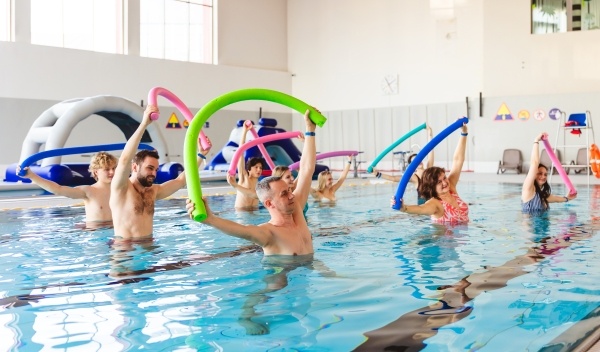
We may be biased, but at RAFC, we love encouraging our members to try an aquatic fitness class. This low-impact choice is great for beginners, individuals recovering from an injury, and anyone returning to exercise.
Plus, it’s an engaging group setting with an energetic instructor that keeps classes lively and participants moving and having fun.
Create a Beginner-Friendly Weekly Workout Schedule
Having a simple guideline is sometimes the best way to start.
Here’s a sample weekly workout schedule for beginners.
- Monday: 30-minute walk and light stretching
- Tuesday: Beginner strength-training session
- Wednesday: Rest or gentle mobility exercises
- Thursday: Aquatic fitness class or swimming
- Friday: Cardio workout
- Saturday: Full-body strength training
- Sunday: Recovery and stretching
Remember to aim for consistency rather than trying to exercise every day. Life happens, and staying flexible is key to not giving up on your goals.
You can also make small changes in your daily routine to incorporate a little extra movement. For example:
- Take the stairs instead of the elevator
- Choose a parking spot at the far end of the lot
- Return your shopping cart to a corral that’s further away
- Go for a post-dinner stroll with family or friends
- Stand up and march in place during commercial breaks
- Do squats or calf raises while waiting for your coffee to brew
These little tasks help your brain maintain a movement mindset, rather than defaulting to sedentary choices, especially on days when you may not be able to fit in intentional exercise.
Learn the Basics of Strength Training

Strength training is important for every fitness routine, whether you’re just beginning or a professional athlete. It supports muscle development and helps build a foundation for long-term health and fitness.
As you become stronger, simple daily tasks like walking up stairs, carrying groceries, and playing with children become less physically demanding.
Resistance exercises can also stimulate bone growth and improve metabolism, helping you burn more calories throughout the day – even when you’re resting.
You don’t need heavy weights to get started, either. Strength training can be done with bodyweight exercises like squats, wall push-ups, seated rows, and lunges.
Light dumbbells and resistance bands are great beginner-friendly tools for strength training, too.
Members of RAFC have access to the Adam Michael Rosen Fitness Center, stocked with cardio machines, cable machines, and a variety of other fitness equipment.
Don’t Forget Recovery

Rest days are a key part of progress.
Your body needs time to rest and recover after physical activity.
A common beginner mistake is trying to do too much too soon. Ambition is a great quality to have when starting a fitness routine, but overdoing it can lead to burnout or even injury.
Stretching helps maintain mobility, whether at the end of a day or on a rest day. If you’re sore after a workout, a gentle stretch session may be just what your muscles need.
In addition to physical rest, hydration and sleep are necessary to keep your body functioning at its best.
How to Stay Motivated When Starting a Fitness Routine

Choosing to start a new fitness routine is a feat in and of itself.
Staying motivated is where it can get tricky.
Luckily, there are plenty of things you can do to stay on track when you’re starting out with a plan.
Track Your Progress
It’s easy to lose track of how much you’ve actually accomplished if you aren’t paying attention.
Try keeping a fitness journal or tracking your progress with a workout app. You’ll be able to look back on where you started and admire just how far you’ve come.
Take photos when you first start, no matter how awkward you may feel. Sooner or later, you’ll be glad you have a visual of the early days of your fitness journey.
Record any personal milestones you achieve, too. Even something as simple as no longer getting winded when walking up the stairs is a feat worth acknowledging.
Find Accountability
Working toward a goal is always easier when you have someone helping to hold you accountable.
Find a workout buddy who you can rely on to show up when you need company. Ask them to help you stay on task and encourage you to stay focused on your end goal.
Group classes are a great place to find accountability. Instructors and fellow classmates are excellent resources on days that may require a little more motivation than usual.
Working out with a personal trainer is another great way to help hold yourself accountable. It’s their job to ensure you’re exercising safely and with proper form, as well as showing up for yourself when it matters most.
Celebrate Small Wins
Big milestones are definitely worth celebrating. But so are the smaller wins that help you along the way.
Achievements like sticking to your workouts on consecutive days, using heavier weights than your last workout, and adding a few more reps to an exercise are all worth acknowledging and celebrating.
Every choice you make throughout your fitness journey that helps you achieve your goals is something to be proud of.
Help Achieve Your Goals as a Member of Rosen Aquatic & Fitness Center
When you focus on consistency and sustainable habits, you set yourself up for success.
Every fitness journey starts with a first step.
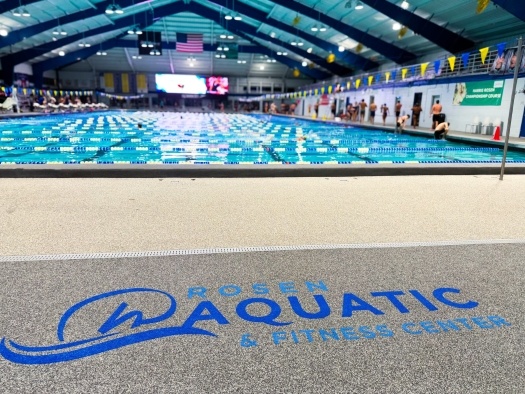
If you’re ready to take yours, come to Rosen Aquatic & Fitness Center to explore our equipment, check out our fitness classes, and meet our knowledgeable, supportive staff.
We’re ready to help you build healthy habits that last.