
A Beginner’s Guide to Lap Swimming: Tips, Gear, and Training Plans
By Kate CohenBy Kate Cohen
June 26, 2026
Looking for a new exercise to add to your fitness routine?
Why not try lap swimming?
This low-impact, full-body workout is great cardio in a refreshing environment.
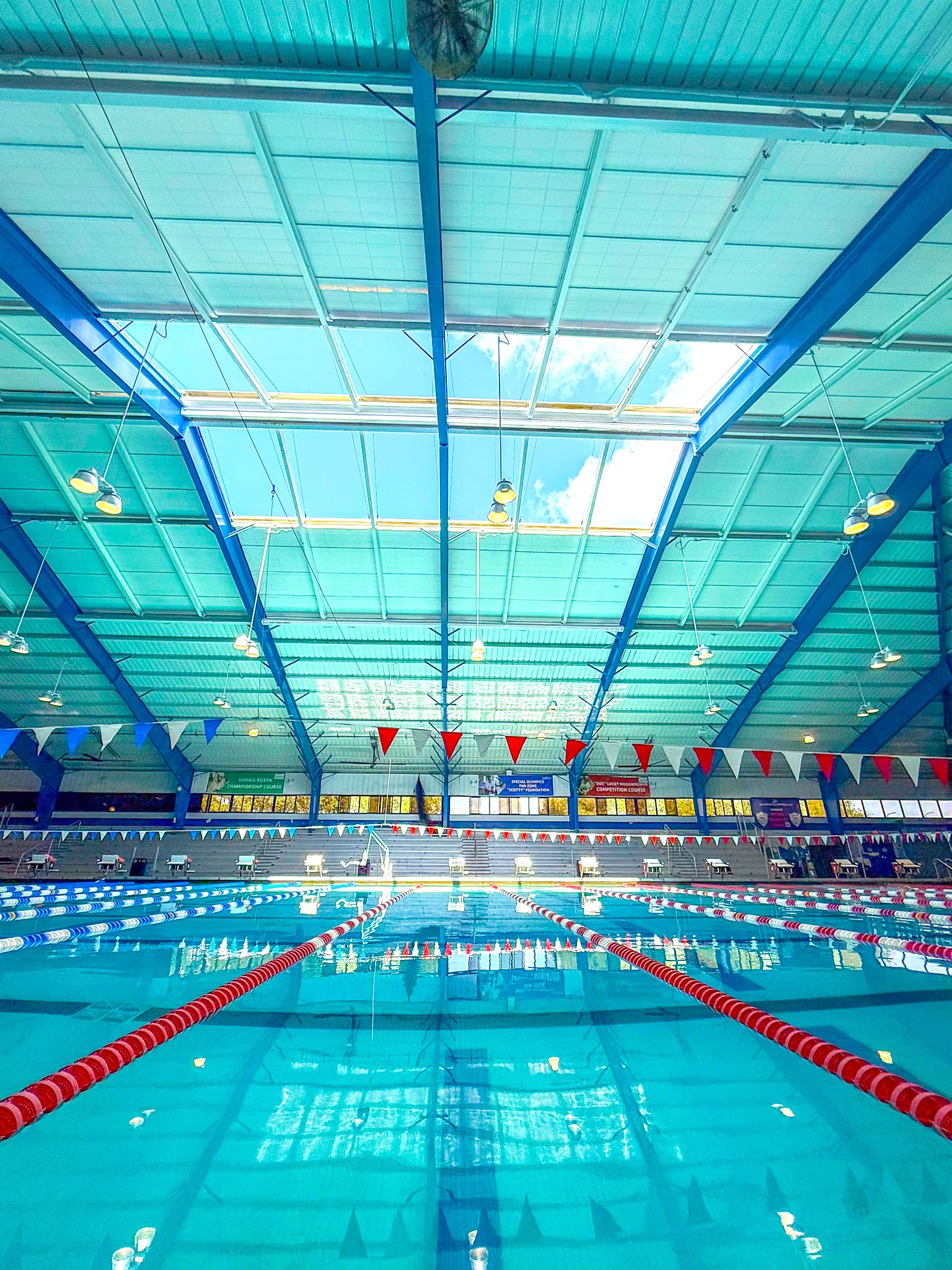
As a member of Rosen Aquatic & Fitness Center (RAFC), you have access to our Olympic-sized indoor pool that has hosted swimming legends like Katie Ledecky and Michael Phelps.
But beginners shouldn’t feel intimidated; RAFC is the perfect place to get your feet wet and try something new.
Whether you’re returning to fitness, taking up cross training, or a total newbie, our beginner’s guide to lap swimming is here to inspire your next aquatic endeavor.
Key Takeaways
Getting Started: Tips for New Lap Swimmers
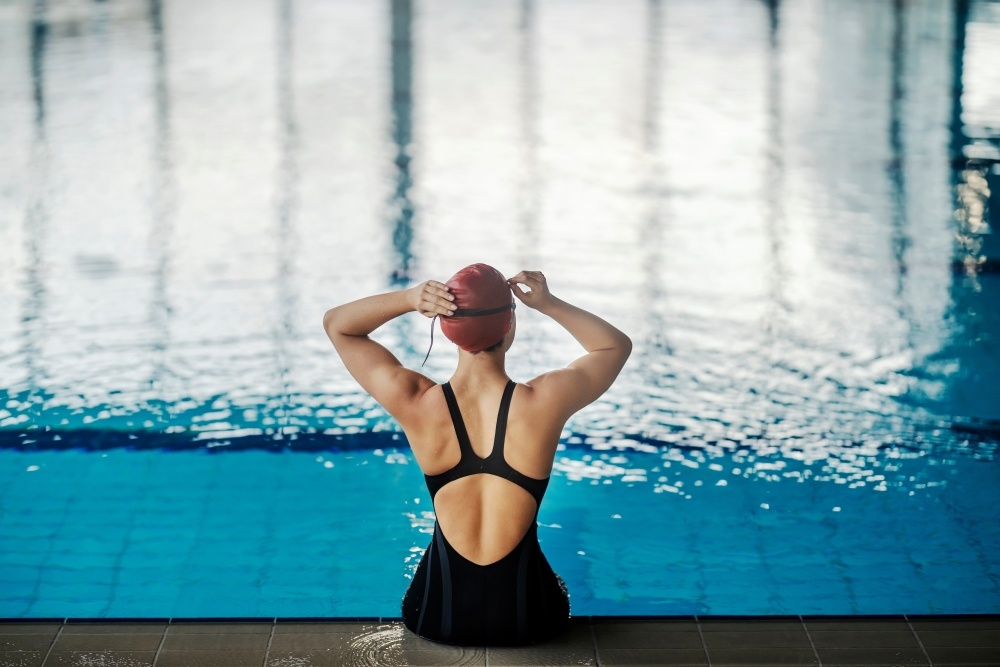
Lap swimming is a wonderful option for anyone looking for low-impact cardio that’s easy on your joints but still offers a great workout.
“Lap swimming is great for cardiovascular fitness while also building strength,” says Coach Ali, a senior coach at Laker Swim in Orlando. “It also allows you to rehab injuries in the water with less pressure on your joints.”
Before you get started, there are a few things you should know.
First, start slow.
“The biggest misconception is that you have to be ‘fast’ to lap swim,” Coach Ali explains. “No one cares how fast you are. Get in the water and get after it.”
Start with short intervals, focusing on comfort and learning proper breathing techniques.
Spend time honing breathing techniques, practicing rhythmic breathing, exhaling underwater, and avoiding holding your breath.
Make sure you’re warming up with dynamic stretches and easy laps to help your muscles adjust to the resistance of the water.
It’s also important to focus on form, keeping your body in a streamline position with relaxed kicks and long, smooth strokes.
When starting out, be sure to familiarize yourself with proper lap swimming etiquette.
For example, choose the correct lane when you are ready to begin. Lanes are usually designated by speed, so you’ll likely want to start in a slower lane.
Be aware of your surroundings and note other swimmers nearby. This is even more important if you’re sharing a lane with another swimmer.
If the pool gets crowded and you do end up sharing a lane, always swim to the right side of the lane to make space for others.
If you have further questions about getting started or proper etiquette, ask one of our incredible RAFC associates for guidance.
Essential Gear for Beginners
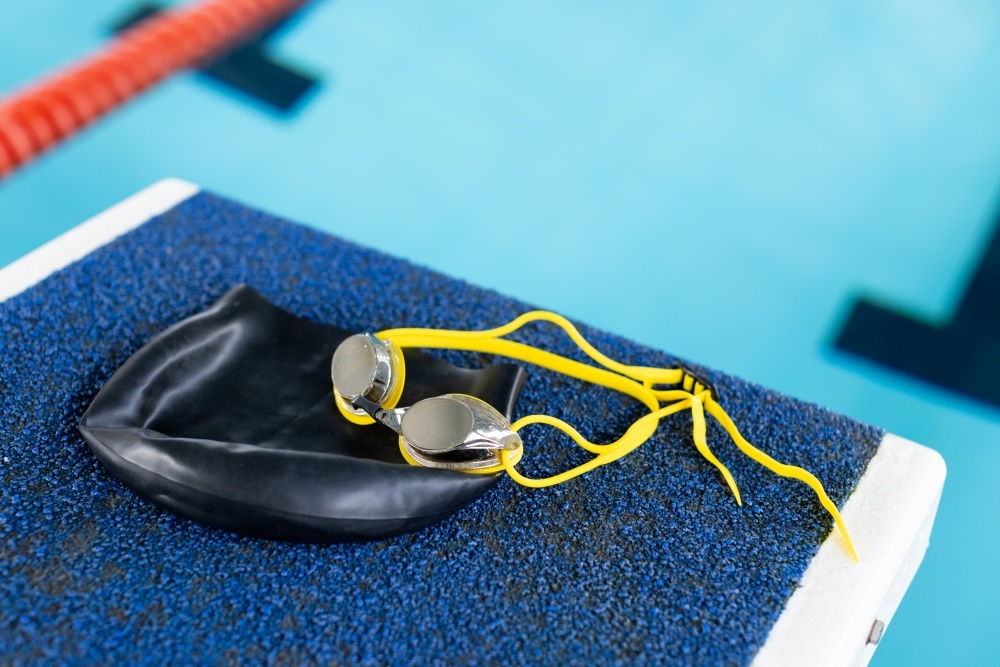
The good news about picking up lap swimming is that you don’t need a bunch of expensive equipment to get started.
“People think you need a lot of gear or fancy tech,” Coach Ali says. “All you need is a suit, well-fitting googles, and a cap for longer hair. No fancy tech needed.”
As far as bathing suits go, be sure to pick one that will stay securely in place, withstand chlorine damage, and reduce water drag.
For example, a snug one-piece bathing suit with racerback or cross-back straps for women will ensure everything stays properly covered without straps slipping down during full-arm rotations.
For men, supportive swim briefs or tight-fitting compression jammers are a great choice.
Goggles are another important swim accessory to protect your eyes and help you see while you swim.
Choose a pair that is anti-fog, adjustable, and has a proper seal to keep water from seeping in.
Swim caps are a great option for swimmers with long hair, or who are looking to increase speed by reducing drag.
While they’re not designed to keep your hair perfectly dry, a good swim cap tucks away loose hair, keeping it out of your eyes, mouth, and face as you swim.
It also creates a smooth surface to help you glide through the water faster (and a high friction surface for goggle straps to cling to).
RAFC also has pace clocks, kick boards, and pull buoys to help swimmers hone their technique and body placement while building strength.
Sometimes beginners can also benefit from using fins and a snorkel to help improve kick technique and endurance.
Technique Breakdown: The Four Main Strokes
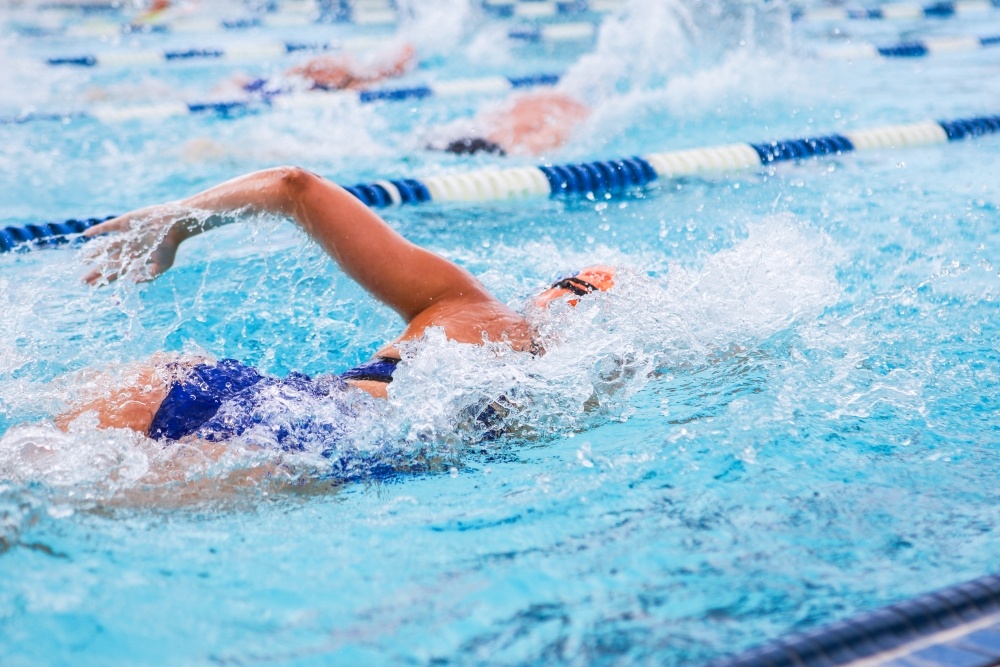
When it comes to lap swimming, there are four main strokes to focus on.
Freestyle is ideal for beginners with a focus on breathing and long strokes. It’s also the fastest and most popular swimming stroke in competitive and recreational swimming.
Backstroke is great for posture and offers low-impact conditioning, especially for your arms, core, and shoulders. Since your face stays out of the water, it also offers the advantage of continuous breathing.
Breaststroke, aka the “frog stroke”, has a slightly slower pace and an easier breathing rhythm. It focuses on simultaneous, synchronized movement without torso rotation.
Lastly, the butterfly stroke is a fast-paced option that requires significant upper body strength, core stability, and precise timing. It’s great for intermediate swimmers while beginners should focus on the other three main strokes to start.
Like any other fitness regimen, lap swimming requires practice, training, and technique.
Coach Ali shared some helpful tips with us to pass along to new swimmers.
“Swimming is all about body position,” she says. “The more on top of the water you are, the easier swimming is. We’d recommend lots of kicking, building leg strength and getting comfortable kicking on your back and on your side.”
One way to practice kicking is with a pull buoy, which is an hourglass-shaped foam floatation device placed between the thighs or ankles while in the water.
“A pull buoy can help float the legs to work on your catch in the water,” Coach Ali explains. It can also help isolate your upper body, building strength by immobilizing your legs.
“Fins are also a great tool to take some of the pressure off weak kickers,” she says. “And a snorkel lets you keep your head position looking down without worrying about breathing.”
The best thing you can do to refine your skills?
Practice, practice, practice.
Beginner Training Plans
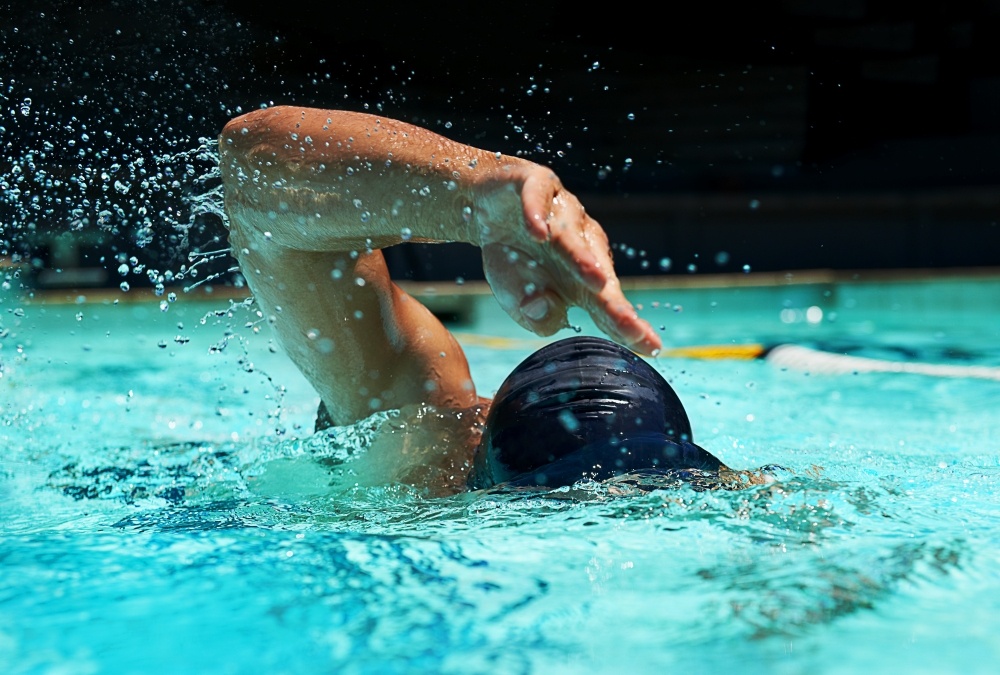
A lap swimming training plan provides structure and variety, prevents overtraining, and can establish milestones for you to work towards.
While yardage is a good goal, form should always be a swimmer’s priority.
“There are a lot of training plans available online from reputable sources,” shares Coach Ali.
She recommends the programs created by U.S. Masters Swimming. Other swim-focused organizations like Speedo also offer sample training programs to follow.
In addition to a structured training plan, you should also aim to incorporate strength training into your fitness routine.
“With the layout of RAFC,” says Coach Ali, “it’s easy to jump from the pool into the weight room.”
Full-body strength training is great for swimmers and can help balance the cardio benefits of lap swimming by toning muscle.
Continue your training in the RAFC’s Adam Michael Rosen Fitness Center or try out one of our group classes (aquatic or dry) for a fun and unique workout.
Why Train at Rosen Aquatic & Fitness Center
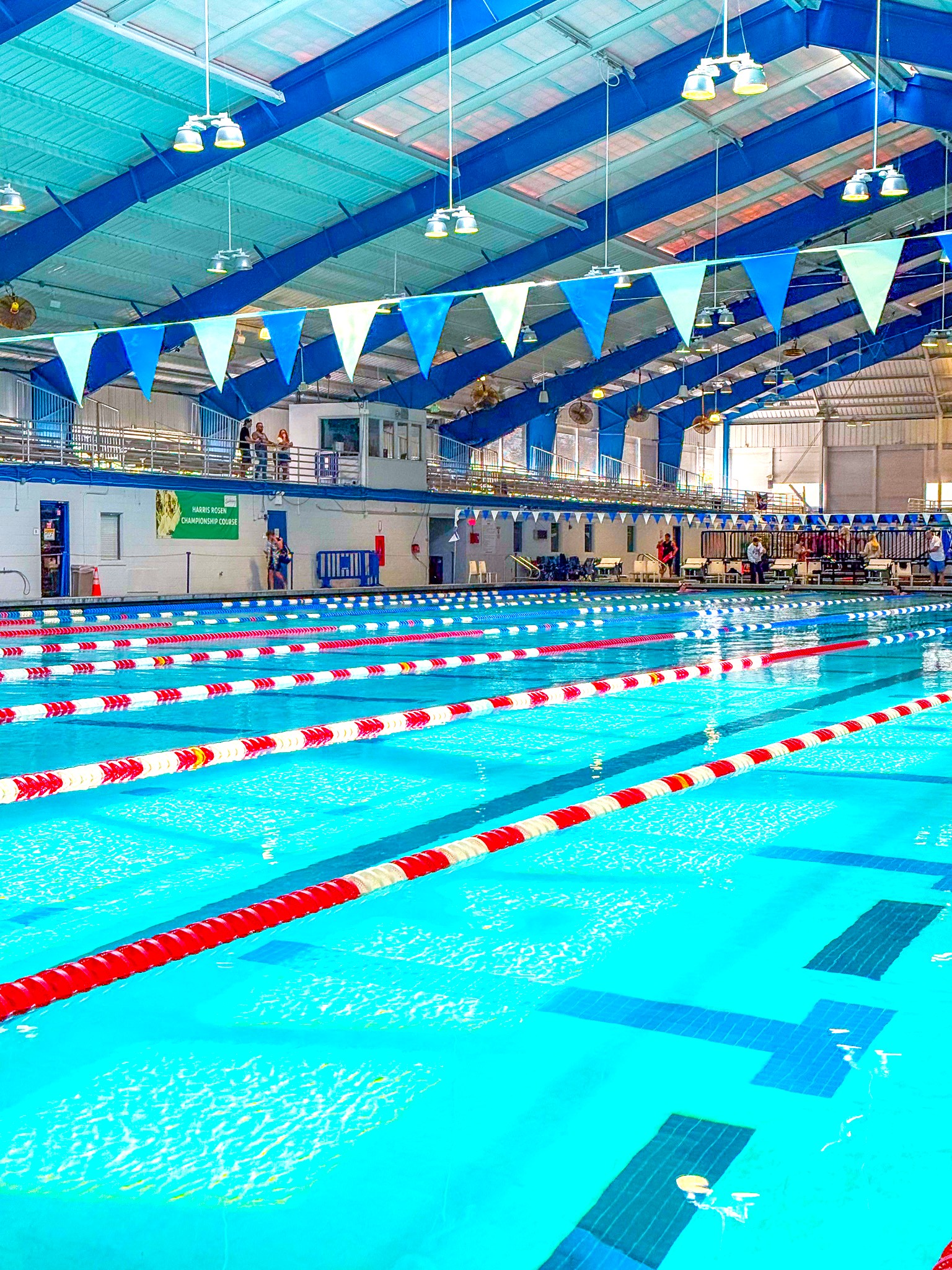
RAFC has seen its fair share of Olympians setting world records.
The Olympic-sized competition pool is the perfect setting for lap swimming, as is the heated teaching pool.
Flexible lane hours mean you can get your workout in at almost any time that’s convenient for your schedule. Since we do host frequent events, it’s always best to call ahead and make sure the pool is available for free swim.
RAFC also offers swim lessons for swimmers of all ages looking to improve stroke techniques and refine their form.
Our community atmosphere supports and encourages beginners, with a team of associates who can’t wait to cheer you on.
Ready to get your feet wet?
We’ll see you in the pool soon.